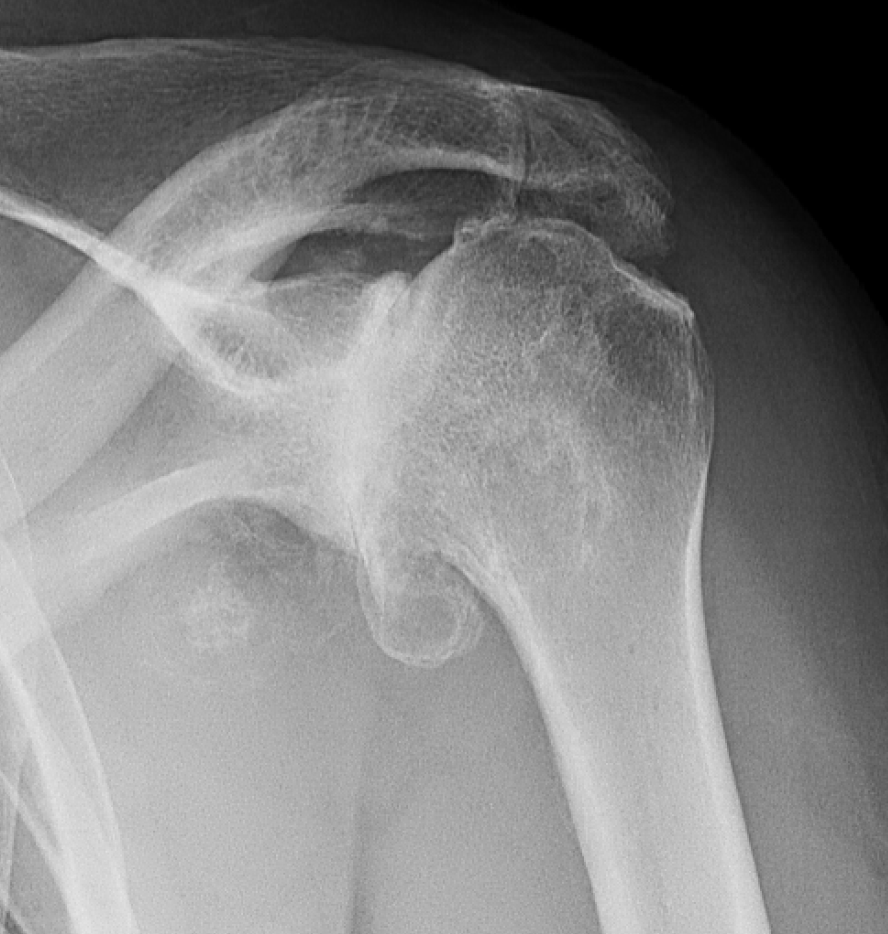
Understanding Glenohumeral Osteoarthritis

What It Is, Why It Happens, and How It’s Treated
The shoulder is one of the most mobile joints in the human body, allowing a wide range of motion for reaching, lifting, and rotating the arm. This flexibility comes from the glenohumeral joint — where the ball of the humerus (upper arm bone) fits into the shallow socket of the scapula (shoulder blade), called the glenoid. Over time, this joint can develop osteoarthritis, a degenerative condition that causes pain, stiffness, and loss of function.
Glenohumeral osteoarthritis (GHOA) is a form of degenerative joint disease in which the smooth cartilage that covers the ball and socket of the shoulder gradually wears away. Without this protective cartilage, bones rub against each other, leading to inflammation, stiffness, and progressive pain.
While shoulder arthritis is less common than hip or knee arthritis, it can be equally debilitating — particularly for individuals who rely heavily on arm movement for work, sports, or daily activities.
Common Causes and Risk Factors
Glenohumeral osteoarthritis most often develops gradually due to age-related wear and tear, but several other factors can contribute:
Previous shoulder injuries such as fractures, dislocations, or rotator cuff tears
Genetic predisposition or a family history of arthritis
Repetitive overhead activity or heavy lifting over many years
Inflammatory conditions, such as rheumatoid arthritis or post-traumatic arthritis
In some cases, no single cause is identified — it simply represents the body’s natural aging process.
Symptoms
Symptoms typically develop slowly and worsen over time. Common signs include:
Deep aching pain within the shoulder joint, often worse with movement or at night
Stiffness and reduced range of motion
Grinding or catching sensations (crepitus) with arm movement
Difficulty performing everyday tasks such as combing hair, dressing, or reaching overhead
As cartilage loss progresses, patients may also experience weakness and fatigue in the shoulder muscles due to disuse.
Diagnosis
Diagnosis begins with a thorough physical exam and review of symptoms. Your orthopedic specialist may order:
X-rays, which typically show joint space narrowing, bone spurs, and other arthritic changes
CT or MRI scans if detailed imaging of bone or soft tissue is needed
These studies help confirm the diagnosis and guide the treatment plan.
Treatment Options
Treatment depends on the severity of arthritis and a patient’s lifestyle and goals. Options include both non-surgical and surgical approaches.
Non-Surgical Management
Activity modification to avoid painful overhead motion
Physical therapy to maintain mobility and strengthen surrounding muscles
Anti-inflammatory medications or corticosteroid injections for pain relief
Heat or ice therapy to manage discomfort
Many patients find these measures effective in the early stages of the disease.
Surgical Options
When pain persists despite conservative treatment, surgery may be considered. The most common options are:
Arthroscopic debridement: Minimally invasive cleaning of the joint to remove inflamed tissue or bone spurs (for mild arthritis).
Anatomic total shoulder arthroplasty: Replacement of the worn-out ball and socket with artificial components that mimic normal anatomy.
Reverse shoulder arthroplasty: Used when arthritis is combined with rotator cuff deficiency — this design reverses the ball and socket orientation to improve function.
Outlook
With proper management, most patients can achieve significant pain relief and regain shoulder function. Modern shoulder replacement techniques have excellent long-term outcomes, often restoring comfort and mobility for 15–20 years or more.
When to See us?
If shoulder pain or stiffness limits your daily activities, or if you experience grinding and loss of motion that doesn’t improve with rest, it may be time to consult an orthopedic shoulder specialist. Early evaluation can help you maintain function and prevent further joint damage.